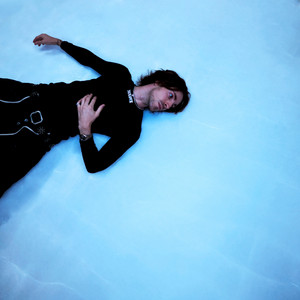

A song about getting away does not always have to be about a person. Sometimes it is about a job that has run its course, a town that no longer feels familiar, or a version of life that has become difficult to recognise. Ron-Ian Cottam’s “Far Away” leaves space for all of those readings.
The track centres on someone who has spent too long adjusting to another person’s needs. The relationship has become unequal, but the song does not turn into a list of accusations. Its attention shifts towards the possibility of starting again somewhere beyond the situation that has caused so much frustration.
That openness is one of the track’s most appealing qualities. The destination is never fully explained, which allows listeners to bring their own experiences to the song. For one person, it may suggest the end of a relationship. For another, it may reflect the need to step away from a job, a place, or a period of life that has become difficult to sustain.
The reference to the morning tide gives the track a sense of departure without narrowing its meaning. It places the song near the water, but it also suggests a change that is already underway. They are no longer waiting for circumstances to become more comfortable. The decision has been made.
The background to the release adds another layer. Cottam stepped away from music for a period after being diagnosed with Parkinson’s disease, before returning to playing and recording. “Far Away” is also connected with the music he made alongside his friend and fellow musician Stéphane De Schryver.
For Cottam, the track carries a personal history that listeners may not know when they first hear it. Yet that history does not close the song down. It gives the release one point of origin while allowing other people to recognise their own circumstances in it.
“Far Away” begins with a private experience, but its meaning is not limited to that story. It offers listeners the space to decide what they need to leave behind, and what they might find on the other side of it.