
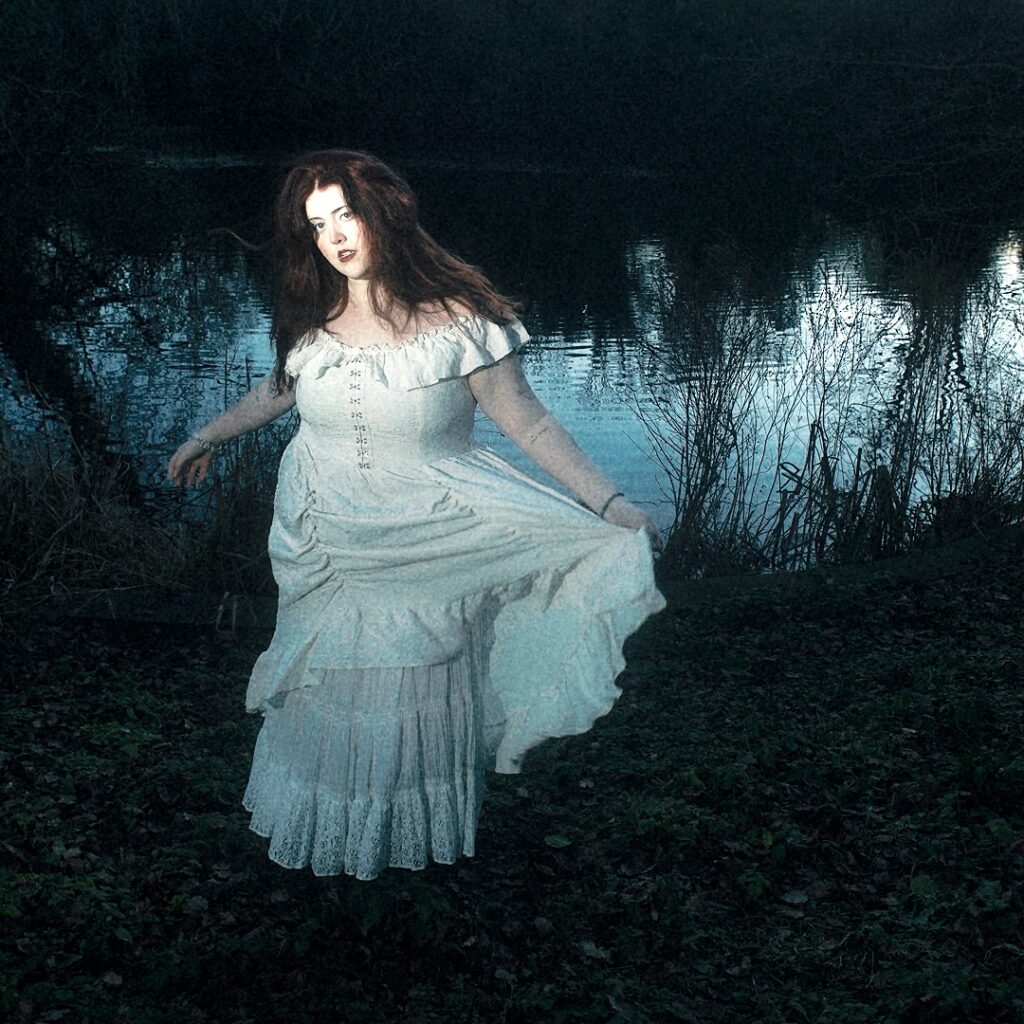
The brilliance of Lila Holler’s “Bruising” lies in its expert use of sonic camouflage. At first listen, the track presents itself as a quintessential pop anthem, fueled by a driving beat that demands movement and a melody so infectious it feels instantly familiar. Holler’s voice is remarkably sweet and accessible, possessing that rare “sing-along” quality that usually defines a summer radio hit. It is bright, clear, and perfectly pitched for a car-ride chorus, inviting the listener to join in without hesitation.
However, beneath this polished, high-energy surface is a much more complex and somber narrative. The “popness” of the production is not just an aesthetic choice; it serves as a functional contrast to the lyrical content, which explores the suffocating difficulty of extricating oneself from a borderline abusive relationship. By wrapping these heavy, stinging themes in such a vibrant package, Holler mirrors the internal conflict of the situation she describes—the way a toxic dynamic can be masked by moments of performative sweetness or the frantic, distracting pace of a life in turmoil.
The driving percussion acts as a heart rate monitor for the anxiety and adrenaline inherent in the lyrics. As Holler sings about the struggle to break free, the upbeat tempo creates a sense of urgency that reinforces the feeling of being trapped in a cycle. This juxtaposition is what gives the song its lasting power. It allows the listener to engage with it on a surface level as a fun, rhythmic escape, only to have the weight of the message sink in once the music stops. It is a calculated, effective piece of songwriting that uses the accessibility of the pop genre to deliver a profound emotional gut-punch.
Written by Zander Schaus
Where to find Lila Holler: